Building a yearbook that helped a 2,000-student school see itself.
The Maverick was more than a book of school photos. It was a visual record of a year, a large-scale editorial project, and a systems challenge: how do you cover a school community fairly, produce at a professional standard, and make sure more students see themselves in the final story?
Scroll to Explore the Case Study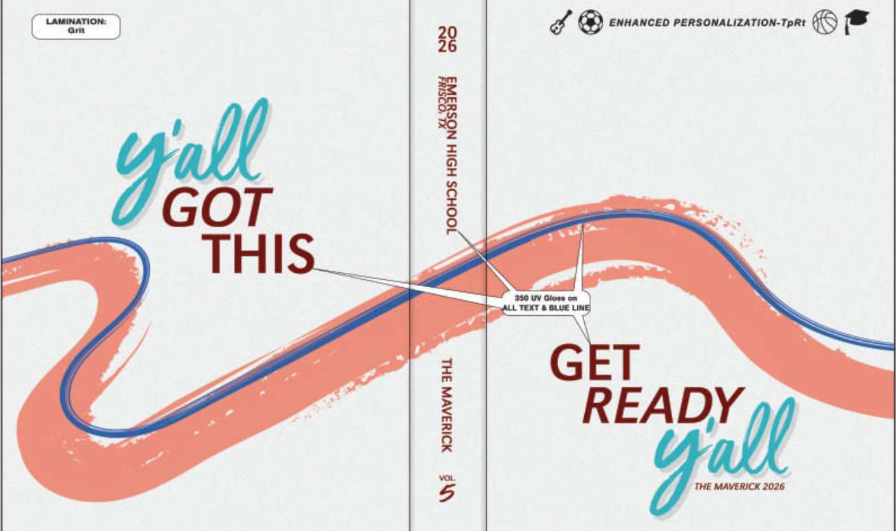
A yearbook is a product, a publication, and a memory system.
As Co-Editor-in-Chief of Photography and Social Media, I helped lead a 28-person staff through the production of a 220-page yearbook plus the program's first-ever 16-page supplemental—236 pages in total.
The challenge was bigger than taking strong photos. We had to coordinate deadlines, coverage assignments, design decisions, copy, proofing, social content, advertising, and distribution while documenting a school of roughly 2,000 students.
"Representation was not something we could assume. We had to build systems for it."
Leading through visuals, systems, and follow-through.
Photography Direction
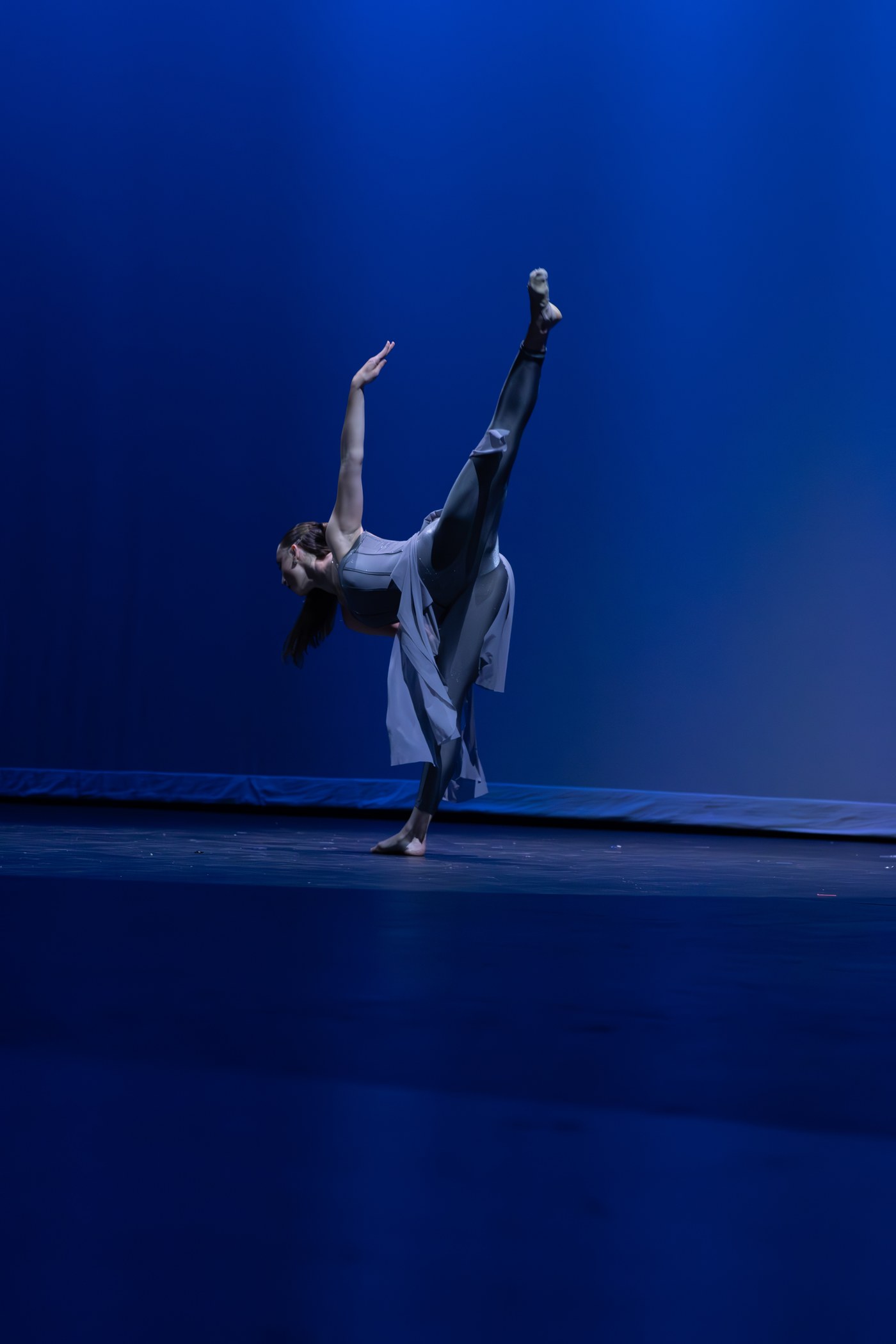
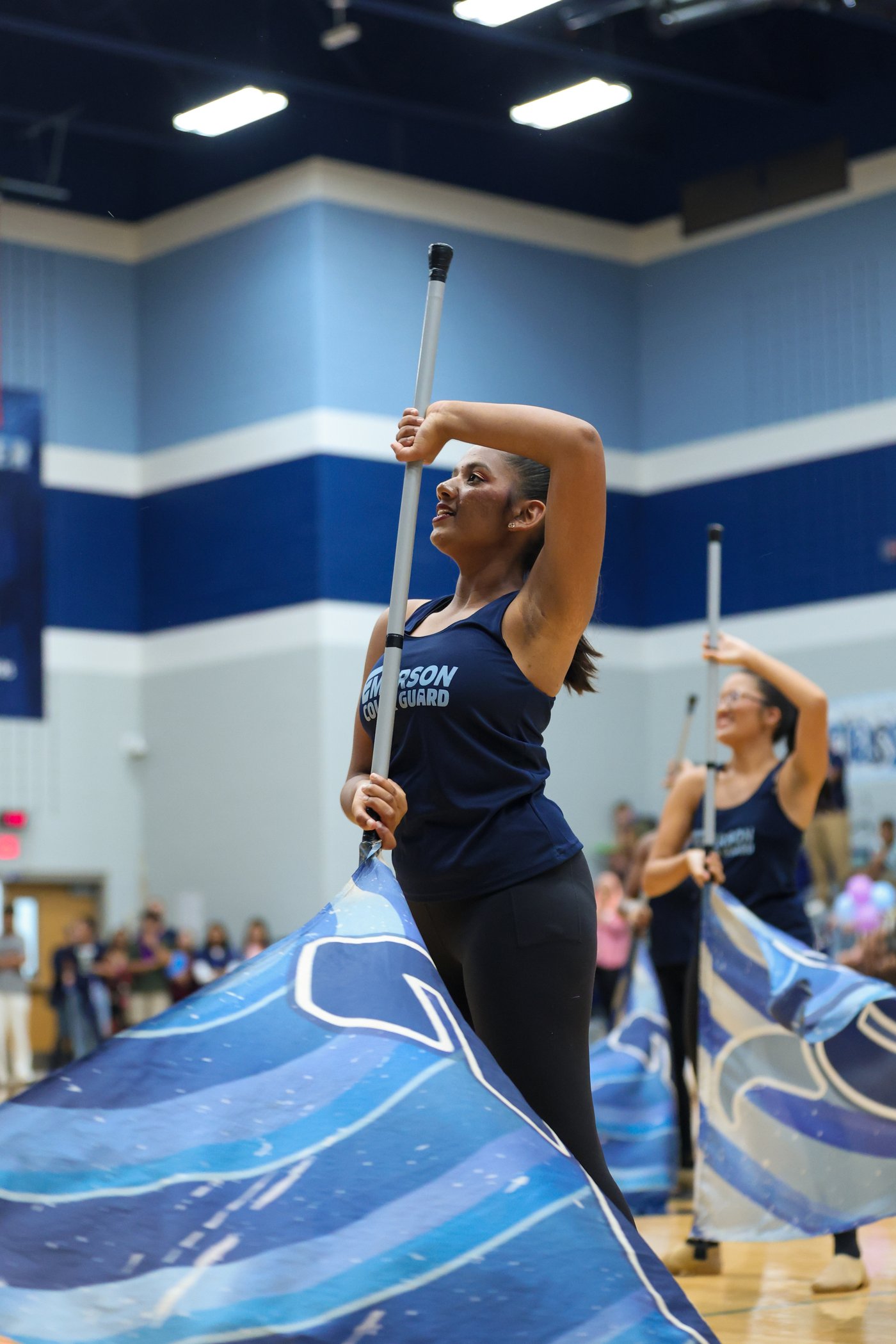
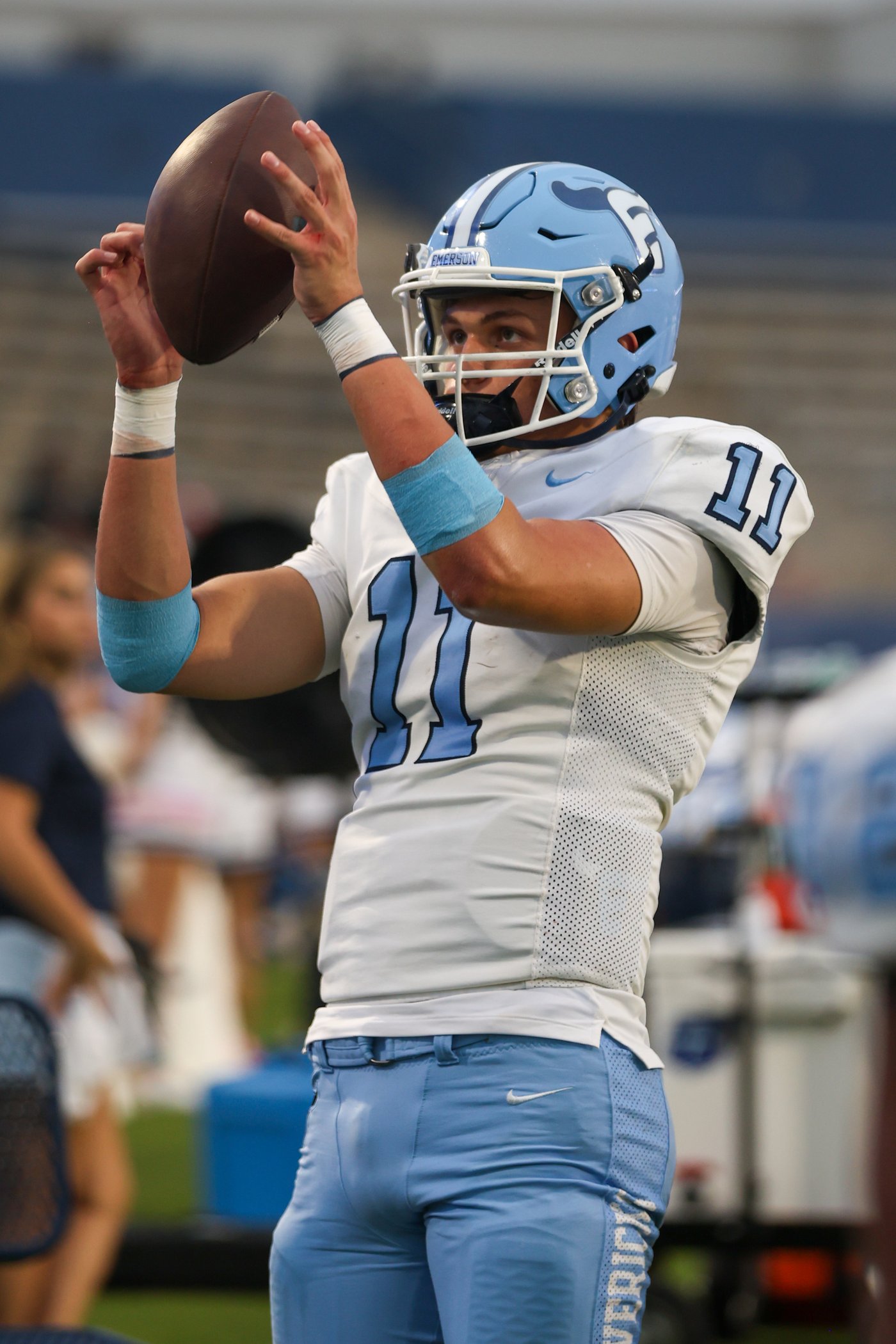
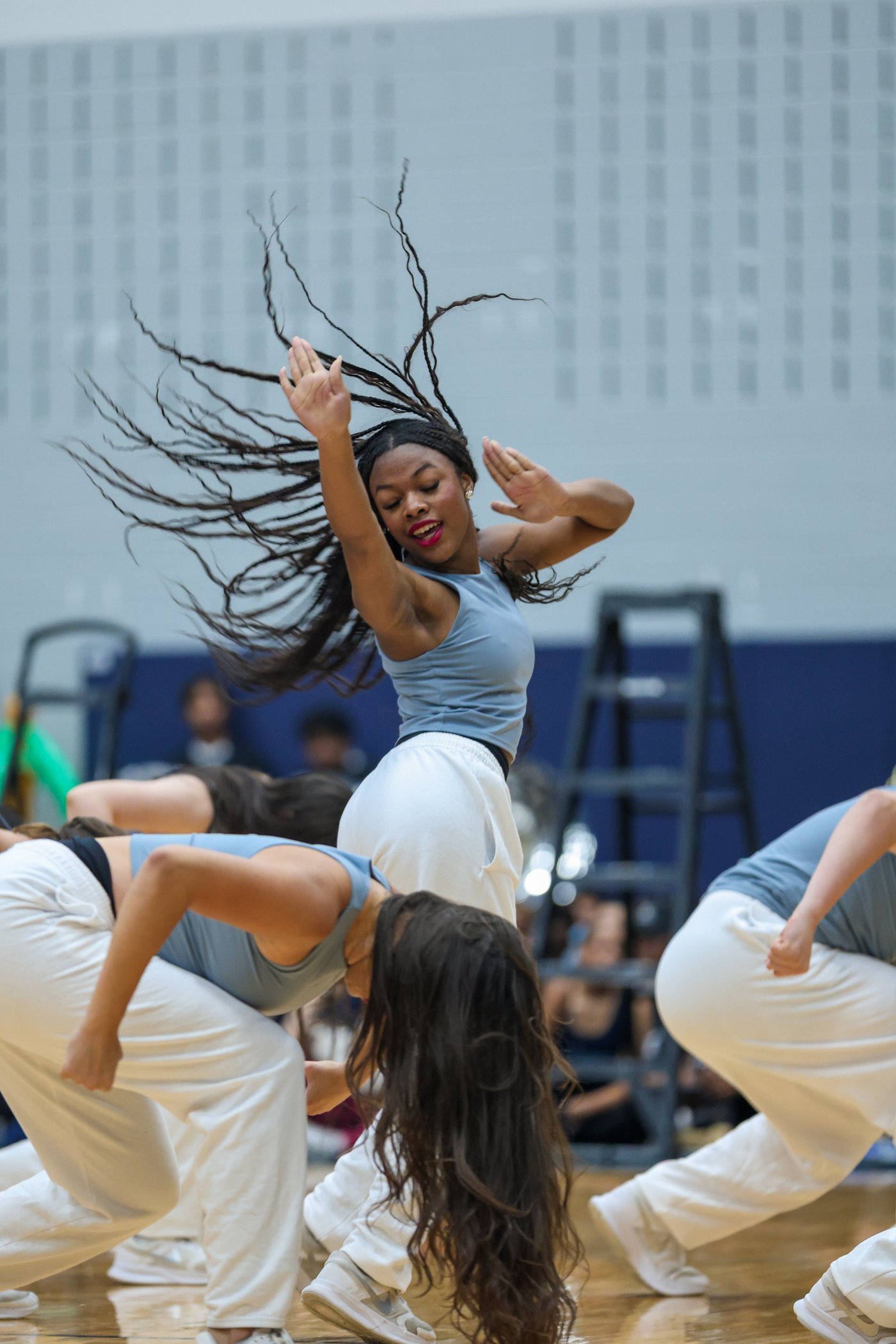
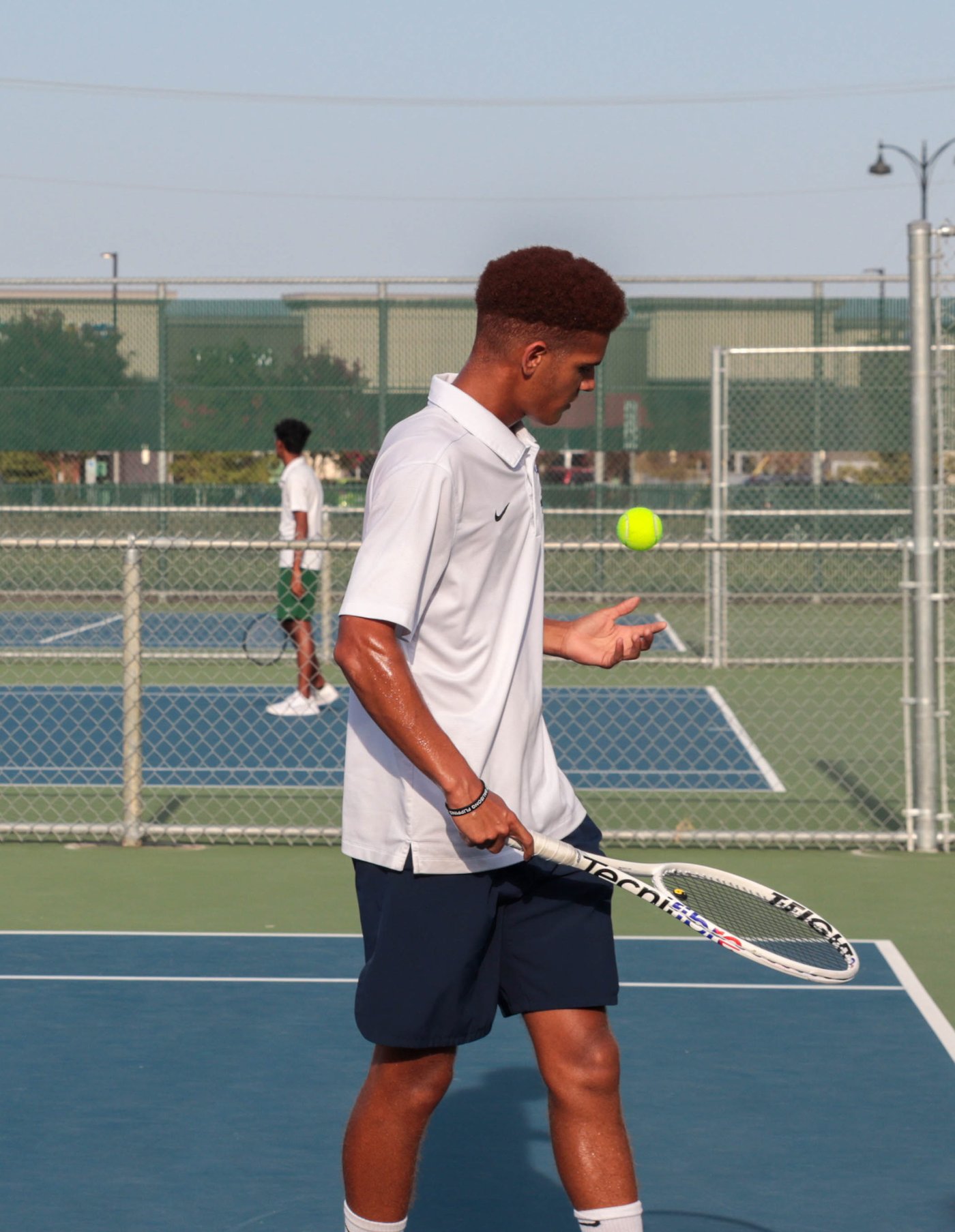
Planned, captured, selected, and edited visual coverage of sports, academics, clubs, events, student life, and campus culture—ensuring every section had strong, purposeful imagery.
Editorial Workflow
Coordinated with writers, designers, photographers, and editors to move content from assignment to final page—maintaining quality and meeting hard production deadlines.
Social Media
Managed photography and social-media storytelling to build visibility, celebrate students, and promote the publication throughout the year—not just at distribution.
Team Development
Mentored staff members in composition, photojournalism, editing standards, visual storytelling, and coverage priorities—building the team's capability, not just directing it.
Tracking who had been seen—and who had not.
One of the most meaningful systems I helped use was a coverage report that tracked student representation across the publication. Instead of relying only on instinct or the events that were easiest to photograph, we used the report to identify students with little or no coverage and assigned photographers intentionally.
That process helped the final book include approximately 95% of the student body at least once.
"When more people can find themselves in a publication, the work becomes more meaningful to the whole community."
The Maverick Yearbook — Editorial ReflectionProducing more pages without losing coherence.
The 2025–2026 publication included a 220-page yearbook and the program's first-ever 16-page supplemental. The team had to maintain visual consistency and editorial quality across an expanded page count while covering a broad range of activities and student stories.
The publication had to reach people before it reached print.
The Maverick's success was not limited to the book itself. The team also had to create interest, maintain momentum, and communicate why the publication mattered.
During the final cycle, the program sold 900 books—up from roughly 690 in the prior year, a 30% increase—and generated approximately $10,000 in senior-ad revenue.
Using short-form media to keep the publication visible all year.
Beyond the printed publication, I helped use social media as a way to celebrate student life, promote coverage, and make the yearbook feel active before distribution day. The strongest reel reached approximately 80,000 views.
Building an archive one event at a time.
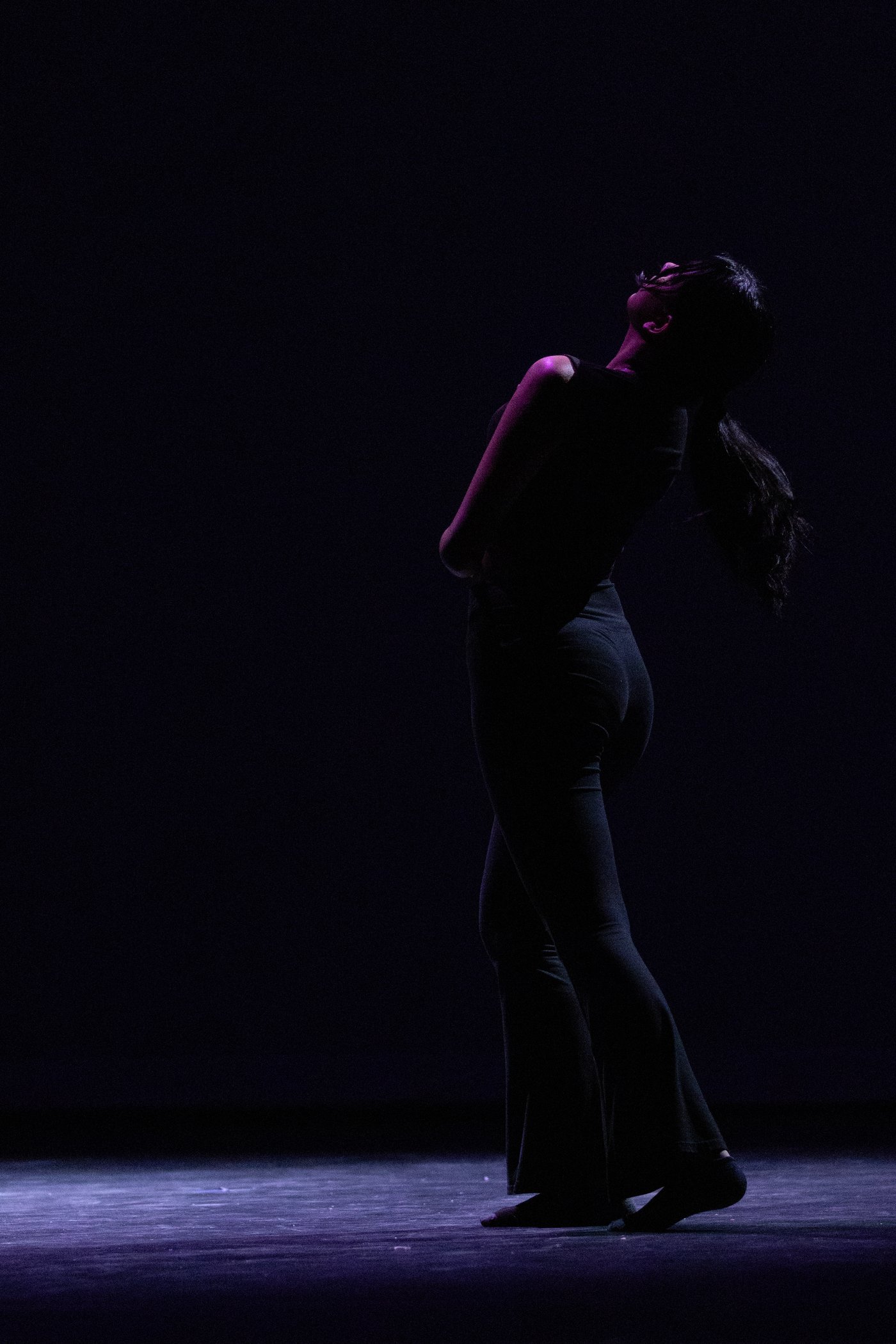
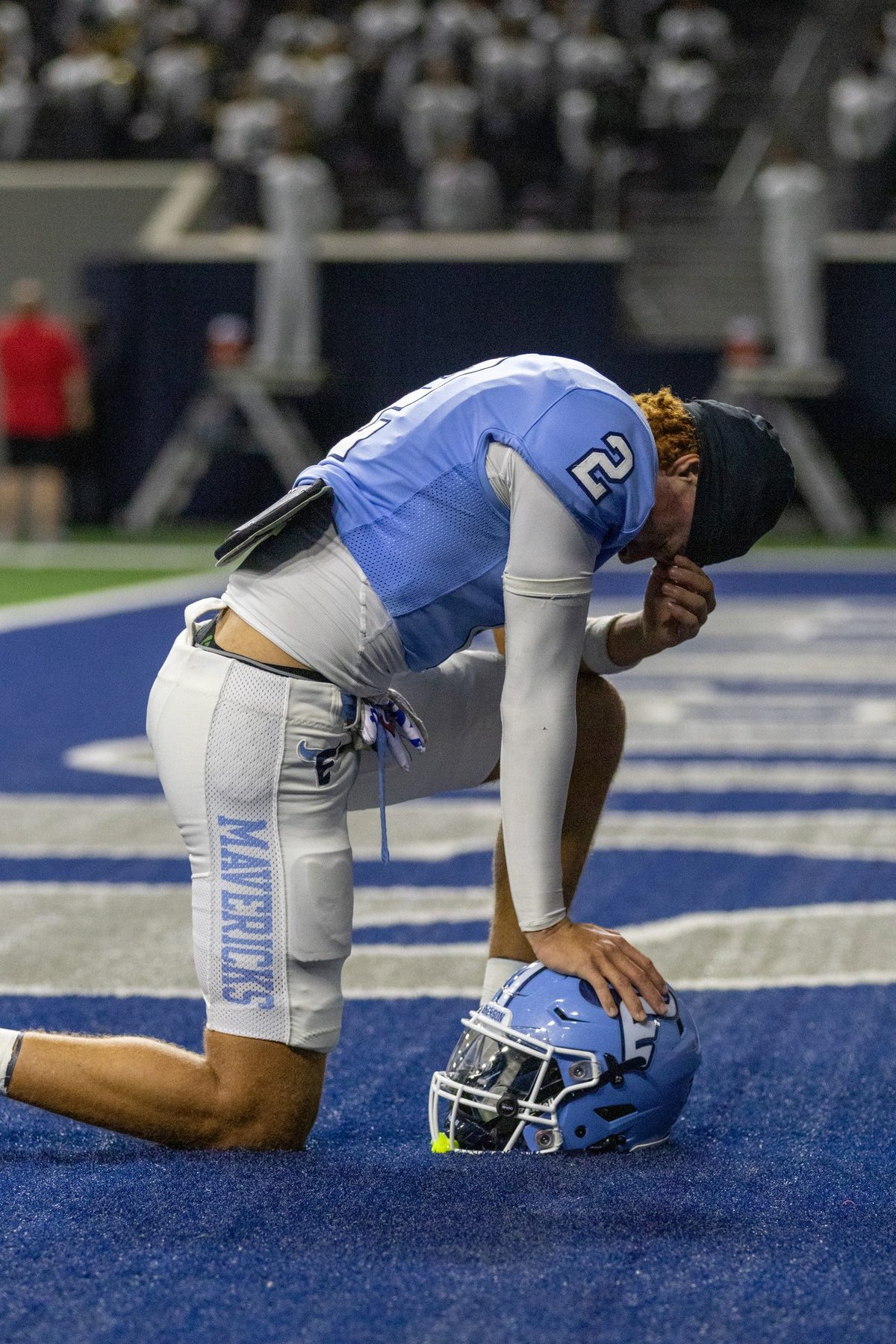
Across three years on staff, I captured more than 50,000 photos. That volume reflects not just attendance at events, but the consistency required to anticipate moments, adapt to difficult lighting and fast-paced environments, edit efficiently, and maintain a high editorial standard.
External recognition for visual storytelling.
Top 4 Photography Portfolio
Photography portfolio selected in the Jostens North Texas Top 4, recognizing outstanding student photojournalism in the region.
Example of Yearbook Excellence
The Maverick yearbook was selected as an example of yearbook excellence in the Jostens Look Book. Team recognition, 2025.
"Get Ready, Y'all."
The 2025–2026 yearbook theme reflected a school moving from new to established—recognizing its growth, momentum, and identity.
"We may not be old, but we're no longer new."
The publication was designed to function as a record for the people who were there—and for the people who would return to it years later.
What I would carry into the next editorial project.
Coverage Is a System
Strong storytelling requires intentional assignment, not just talent or luck. The coverage report was the most impactful editorial tool we used—because it made instinct accountable.
Creative Work Needs Operations
Deadlines, proofing, file management, and team communication shape the final quality as much as the photographs. The operational work was not separate from the creative work—it was what made the creative work possible.
Representation Builds Belonging
When more people can find themselves in a publication, the work becomes more meaningful to the whole community. Representation was not a side goal—it was the point.
Evidence & Artifacts
Photography, spreads, analytics, and documentation from three years of yearbook work. Student images require consent-aware selection before publishing.
Items marked ⚠ require consent-aware selection. Do not display identifiable student photos without appropriate approval. Redact student names from the coverage report before publishing.