Building a youth chess network beyond a single school or tournament.
North Dallas Chess Foundation began with a simple goal: create more ways for young people to access chess, connect with peers, and participate in meaningful competition. Over two years, the organization developed school programs, organized tournaments and socials, built a leadership structure, and expanded across four North Texas school districts.
Scroll to Explore the Case Study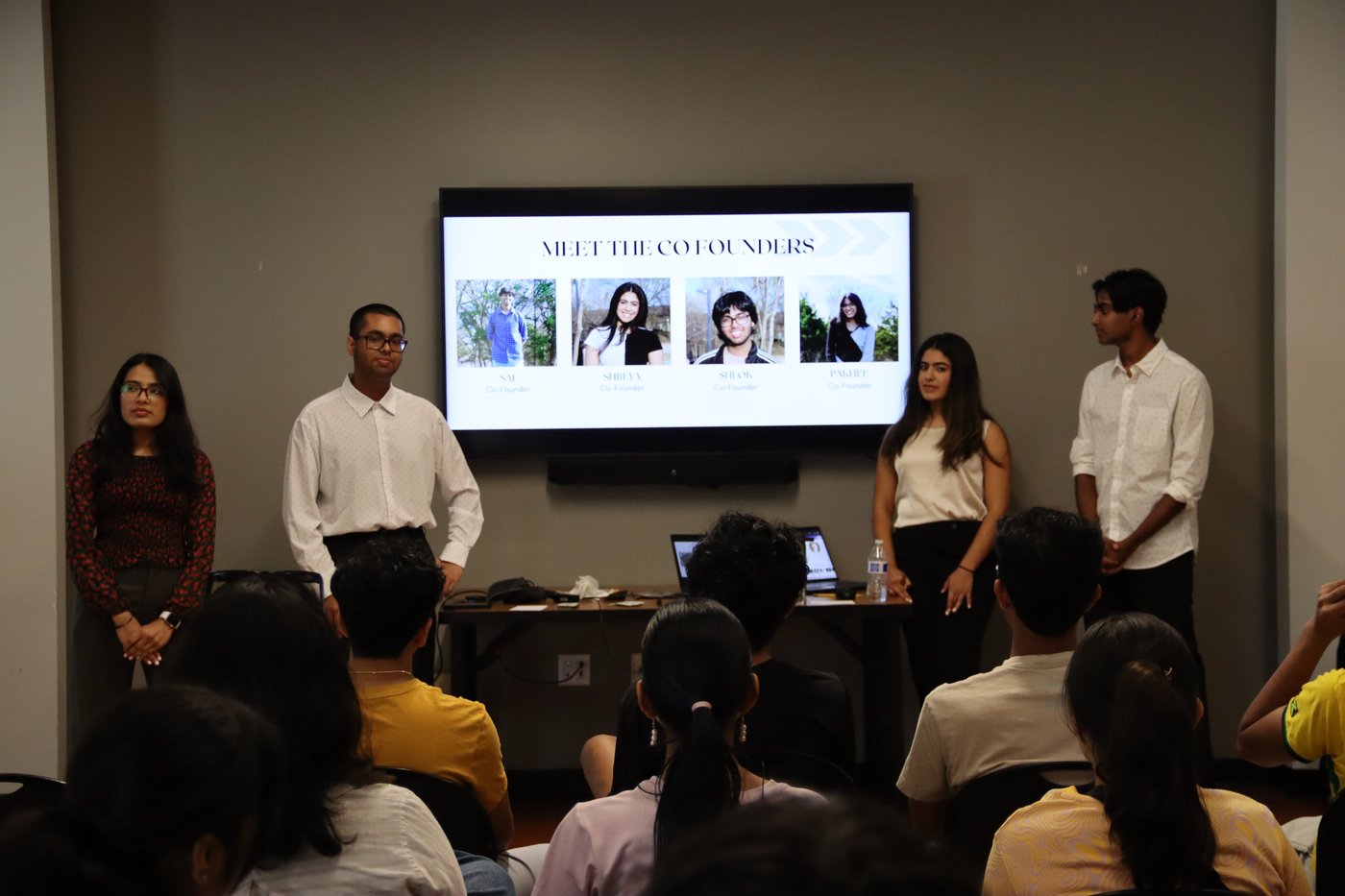
Chess access depended too much on where a student happened to be.
Chess can create community, confidence, competition, and a sense of belonging—but access is uneven. Some students have established teams, experienced mentors, and clear tournament pathways. Others have interest but no program, no local network, and no clear way in.
North Dallas Chess Foundation was created to help close that gap by building school-based opportunities and creating more spaces for young players to participate—regardless of which district they happened to attend.
From a local idea to a multi-district network.
School Program Development
Helped establish and activate chess programs at eight schools across Frisco, McKinney, Prosper, and Plano ISDs—building the relationships, approvals, and logistics that made each program possible.
Events & Competition
Oversaw planning and management of tournaments, social events, supplies, participant communication, and event logistics—creating shared experiences that connected individual school programs.
Organizational Infrastructure
Hired directors and helped oversee legal, financial, and governance-related responsibilities—building the operating structure that allowed the mission to run more formally and sustainably.
Outreach & Marketing
Led or supported promotion, school outreach, social media, and community engagement to attract participants, build awareness, and establish the organization's presence across North Texas.
School-by-school breakdown to be added when documentation is available. Individual school names not listed here.
Growth happened one school relationship at a time.
The most meaningful part of the organization was not simply launching a website or hosting a tournament. It was building enough trust with schools, students, families, and volunteers to activate programs that could actually run.
By the time the organization closed, North Dallas Chess Foundation had eight active school programs across four districts—each requiring its own relationship, timeline, and logistics.
"A school club can feel isolated. Tournaments and socials gave students a larger community to belong to."
North Dallas Chess Foundation — Organizational ReflectionA tournament is not just a tournament.
Events created the shared experience that connected individual school programs into a broader community. North Dallas Chess Foundation organized tournaments and socials that gave young players opportunities to compete, meet peers, and build confidence outside their usual school setting.
The first documented tournament drew nearly 50 participants. A later tournament received support through a $500 grant from The Contribution Project, which funded tournament supplies.
Participants at the first documented tournament, held in December 2023 at the foundation's launch.
Grant from The Contribution Project, used to fund tournament supplies for a later event. Attendance for this tournament is not reported.
Community work still needs governance, budgets, and clear ownership.
As the organization grew, the work expanded beyond programming. I helped hire directors and oversee legal, financial, and marketing responsibilities—learning how a mission-driven organization needs both energy and structure to operate responsibly.
Running a nonprofit is not simpler than running a business. It requires the same attention to accountability and process, with the added complexity of volunteer coordination, community trust, and mission alignment.
Adding legitimacy to a growing program.
In 2025, North Dallas Chess Foundation became a registered US Chess affiliate. That step helped formalize the organization's relationship to the broader chess community and supported its tournament and program ambitions—connecting its student participants to a national structure.
A completed nonprofit venture.
North Dallas Chess Foundation formally closed in December 2025. Its closure does not erase the work that came before it: eight active school programs, events that brought young players together, and an operating model built around access and community.
The organization ran for two years, built a real multi-district infrastructure, received external grant support, and formalized its structure through US Chess affiliation. That is a completed chapter, not an unfinished one.
What I would carry into the next community-systems project.
Community Building Is Operational
A mission needs structure: scheduling, relationships, budgets, accountability, and communication. The most meaningful work required consistent operational follow-through, not just enthusiasm or good intentions.
Scale Requires Local Trust
Growth across four districts came through individual school relationships—not one broad announcement. Each program required its own point of contact, its own approval process, and its own investment of time.
Events Make Networks Real
A school club can feel isolated. Tournaments and socials gave students a larger community to belong to—and gave the organization a reason to exist beyond the individual programs it served.
Evidence & Artifacts
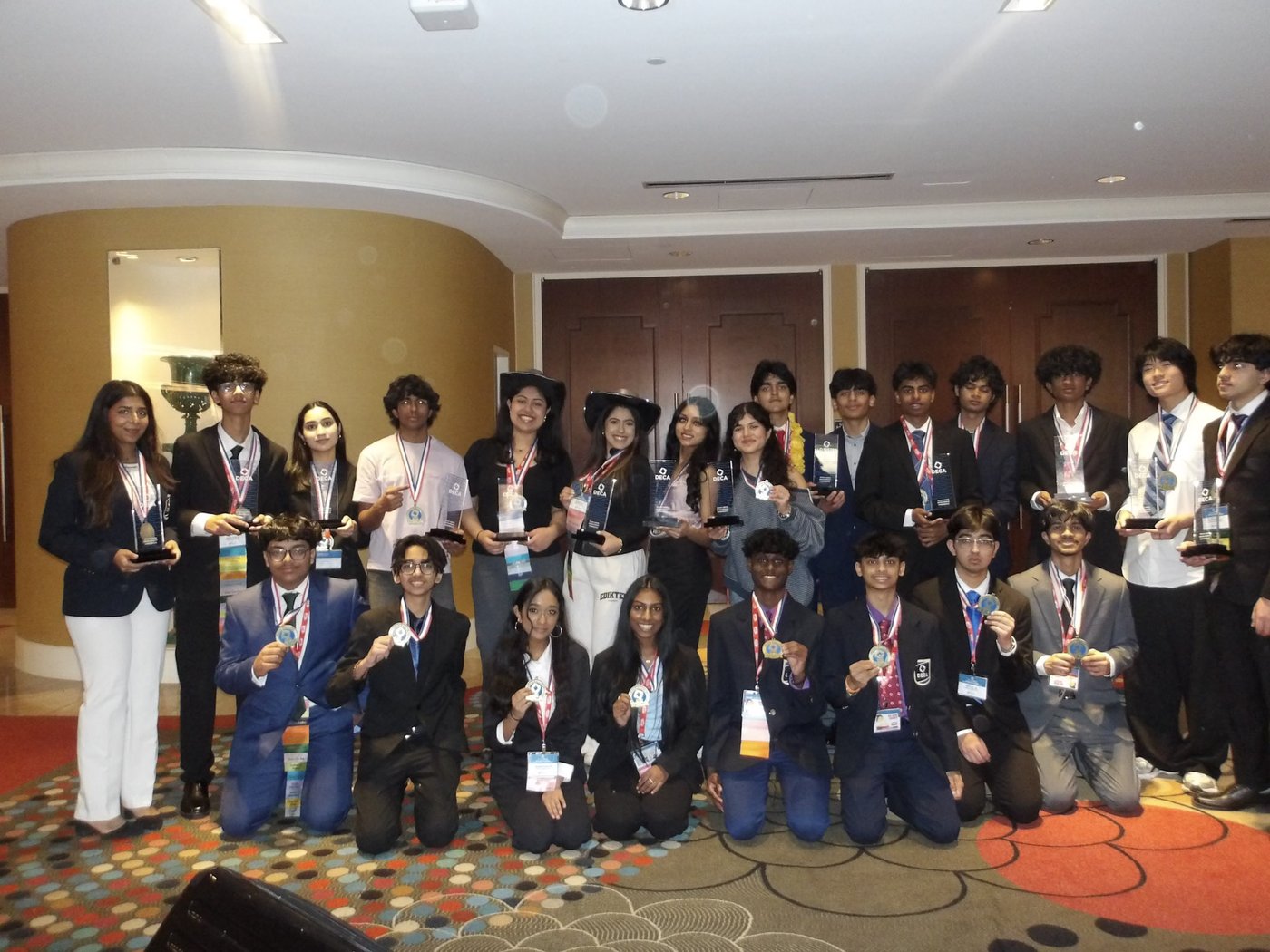
Documentation, photography, and records from the foundation's two-year operation. Private items are marked and not shown publicly.
Items marked "Private — not for public display" appear as development placeholders only and must be removed or hidden before publishing.